What is PRP, and how is it prepared?
PRP (platelet-rich plasma) is a small volume of your own plasma with platelets concentrated above normal blood levels, made by spinning a blood sample in a centrifuge. Kits and spin settings change the final product, so two treatments both called “PRP” can differ in platelet, white-cell and fibrin content.[1][2]
Written by the Seoul PRP editorial team and medically reviewed by a Korean Board-Certified Dermatologist (AAD International Fellow · ASLMS member). Last reviewed: .
What is in platelet-rich plasma?
Blood is made of red cells, white cells, platelets and plasma, the yellow liquid that carries them. Platelets are tiny cell fragments best known for helping blood clot. They also store growth factors, such as VEGF, PDGF and TGF-β1, which they release when they are activated.[3] PRP gathers platelets into a smaller volume of plasma, so that more of these repair signals reach the treated skin or scalp.
The idea is simple, but the results depend on the use. The evidence is strongest for pattern hair loss and more modest for facial skin, as the hair loss guide and the skin guide explain.
How is PRP prepared at a clinic?
- Blood draw. A small sample is taken from a vein in your arm into tubes that usually contain an anticoagulant, so the blood stays liquid. The amount depends on the preparation system and the area; Delight Dermatology Clinic in Seoul draws 15–20 mL, a little over a tablespoon, for a face session.
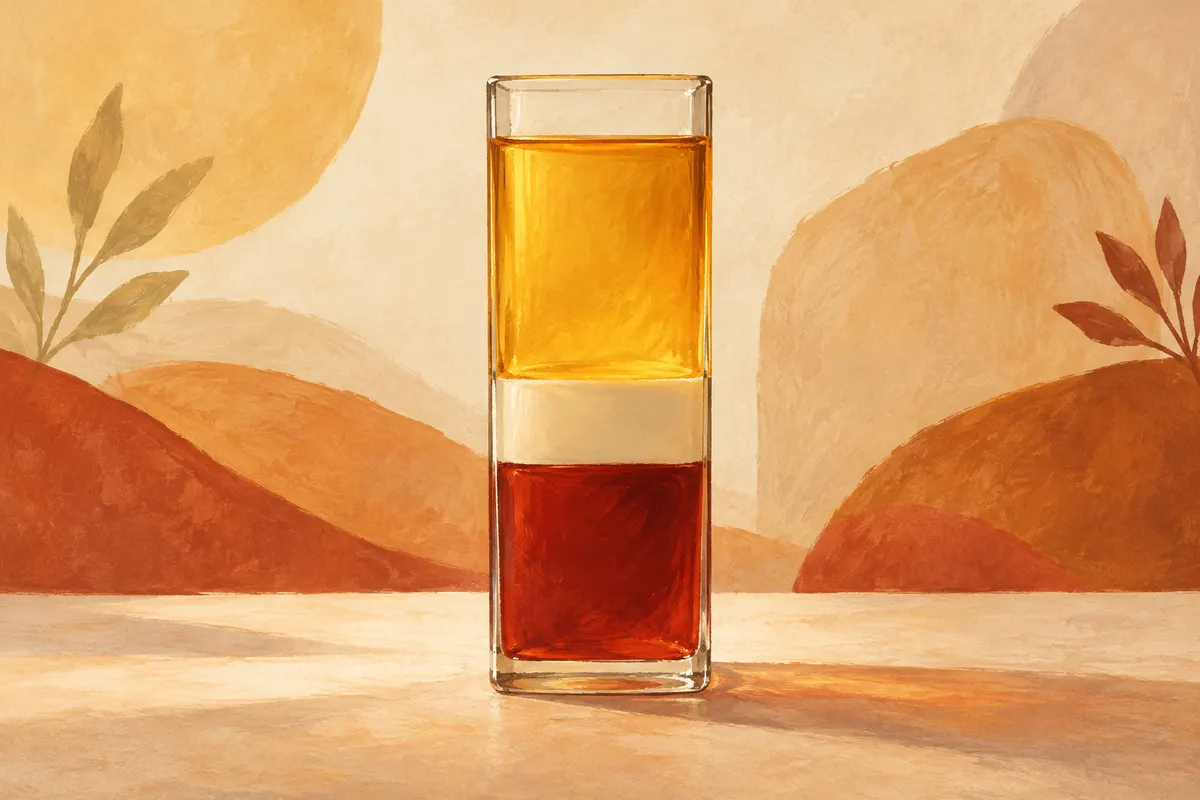
- Spinning. The tubes go into a centrifuge. Heavy red cells sink to the bottom, plasma rises to the top, and platelets and white cells collect in a thin layer between them.
- Collection. The clinician draws off the plasma layer that holds the most platelets. Some protocols spin once; others spin a second time to concentrate the platelets further.
- Activation, in some protocols. An activator such as calcium chloride can be added to trigger the platelets before injection; other protocols inject PRP without an activator. In a 2025 meta-analysis of 43 hair-loss trials, activated PRP was linked to better hair density than placebo, while non-activated PRP was linked to more side effects.[4]
- Treatment. PRP is injected into the skin or scalp, or spread over the skin during microneedling. It is prepared and used in the same visit.
How concentrated is PRP?
There is no single standard. Platelet concentration depends on the kit, the amount of blood, the spin speed and time, and how carefully the layer is collected. A systematic review of PRP hair-loss trials found that only 21% of studies reported all preparation factors, and only 32% reported platelet counts for both the starting blood and the final PRP.[2] That makes it hard to compare results between studies, and between clinics.
A practical step: ask which kit or system the clinic uses, how much blood it draws and how much PRP you will receive, for example a 5 cc face treatment. These details tell you more than the word “PRP” on a price list.
What do PRP, L-PRP and PRF mean?
Researchers sort platelet concentrates by two features: how many white cells (leucocytes) they keep, and whether they form a fibrin network, the mesh that holds a blood clot together. That gives four families.[1]
| Type | White cells | Fibrin network | Form |
|---|---|---|---|
| P-PRP (pure PRP) | Few | Forms only after activation | Liquid |
| L-PRP (leucocyte-rich PRP) | Many | Forms only after activation | Liquid; includes several commercial kits |
| P-PRF (pure PRF) | Few | Dense | Gel or membrane |
| L-PRF (leucocyte-rich PRF) | Many | Dense | Clot-like gel |
How is PRF different from PRP?
PRP was first made with anticoagulant tubes. PRF (platelet-rich fibrin) is spun without an anticoagulant, so the sample begins to clot and forms a fibrin network. Injectable or fluid PRF uses a gentler spin and is drawn up before it sets.[5] In laboratory work, PRF and injectable PRF led skin cells to make more collagen than PRP, especially at lower spin forces, but few clinical trials have tested them.[6][5]
Under the eyes, a 2025 systematic review of 14 studies linked PRF with better texture, fine lines and crepiness, and PRP with stronger evidence for pigmentation. Neither was shown to be superior.[7]
Is PRP an approved drug or device?
PRP is made from your blood at the point of care, so it is not sold as a finished product. In the United States the kits that prepare it are medical devices. One 2024 FDA 510(k) summary lists a PRP device as a Class II “platelet and plasma separator for bone graft handling”, cleared for mixing PRP with bone graft in orthopaedic surgery, and states that the PRP “has not been evaluated for any clinical indications” (FDA 510(k) summary BK241083, checked 18 October 2026). Skin and scalp use therefore rests on clinical studies, not on a kit’s clearance.
Who should tell the doctor before PRP?
- Anyone who takes blood thinners, aspirin or regular anti-inflammatory painkillers. The medicines and alcohol guide explains why.
- People with a bleeding or platelet disorder, or easy bruising.
- Anyone with an active infection, cold sore or rash in the area to be treated.
- People who are pregnant or breastfeeding.
- Anyone who has had filler or another injectable in the same area recently.
Can PRP cause an allergic reaction?
An allergy to your own plasma is unlikely, but what is added during preparation can cause a reaction: one case report describes an allergic skin reaction to the calcium citrate given with PRP.[8] Antiseptics and numbing creams can also cause reactions. Redness, swelling and bruising are common after the injections,[9] and injecting into a blood vessel, though rare, can cause serious harm.[10]
How long does PRP preparation take?
Drawing, spinning and collecting the plasma fit into one appointment. At Delight Dermatology Clinic in Seoul, a face visit takes about 30–45 minutes; the session guide walks through each step.
Is more concentrated PRP always better?
Not necessarily. Trials use very different concentrations and few report them fully, so there is no proven ideal level for skin or hair.[2]