PRP for hair loss: evidence and schedule
Scalp PRP is the PRP use with the most trial data: pooled studies report more hairs per square centimetre in pattern hair loss, though the evidence is rated low to moderate and gains fade without maintenance. It works as an add-on to proven medicines, usually starting with three sessions about a month apart.[1][2][3]

Written by the Seoul PRP editorial team and medically reviewed by a Korean Board-Certified Dermatologist (AAD International Fellow · ASLMS member). Last reviewed: .
Which kind of hair loss does PRP help?
Most PRP trials study androgenetic alopecia, also called male or female pattern hair loss: gradual thinning at the crown, temples or parting. Other causes, such as heavy shedding after illness or stress, thyroid or iron problems, and patchy alopecia areata, need a diagnosis first, because the right treatment depends on the cause. A 2025 meta-analysis that covered several types of alopecia could not show a different effect by type, because the studies varied too much.[2]
How much does PRP increase hair density?
A 2024 meta-analysis of randomised trials in pattern hair loss included 14 studies with 431 patients. Compared with placebo, PRP added on average 27.55 hairs per square centimetre. Hair diameter did not change significantly. The authors rated the evidence as low quality, with very mixed studies and signs of publication bias.[1]
A larger 2025 analysis pooled 43 randomised trials with 1,877 participants. Activated PRP increased hair density compared with placebo, and PRP reduced hair loss overall, but it did not significantly improve hair thickness. The authors described the evidence as moderate.[2]
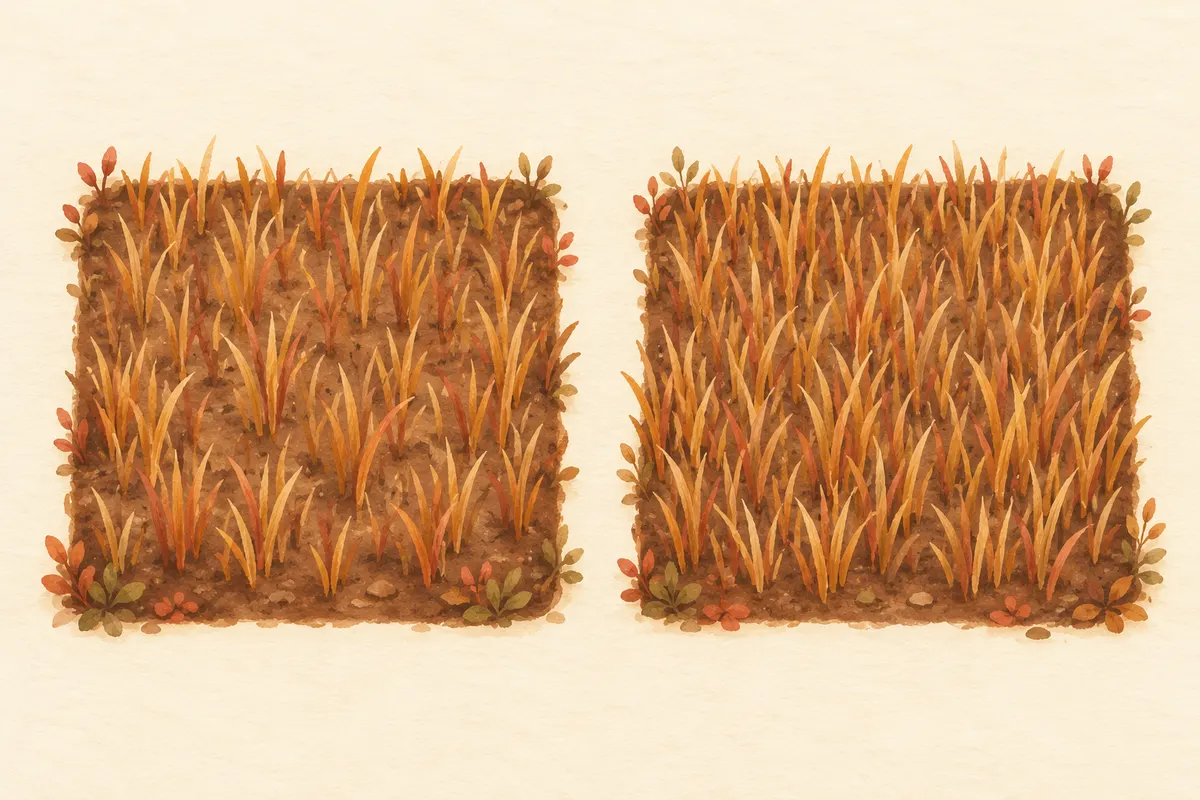
Not every trial is positive. In a 2020 split-scalp study of 35 people, one square of scalp received PRP and another received saline, over three monthly sessions. Density on the PRP side rose from about 151 to 171 hairs per square centimetre, but the saline side also rose, to about 167, and the difference between sides was not significant. The authors suggest PRP may have spread across the scalp and that the injections themselves may stimulate growth.[4]
Should PRP replace minoxidil or finasteride?
The trials support PRP as an add-on rather than a replacement. A 2024 meta-analysis of five randomised trials compared PRP plus topical minoxidil with minoxidil alone. Hair density was higher with the combination at one month, three months and five to six months, and side effects were similar, although the certainty of evidence was low to very low.[3] Decisions about oral medicines such as finasteride belong to the prescribing doctor, who will weigh your history and any side effects.
What is a typical scalp PRP schedule?
The American Academy of Dermatology describes the usual pattern: most patients return once a month for three months, then once every three to six months (AAD hair loss treatment page, checked 18 October 2026). Trials follow the same rhythm. In a 2015 randomised trial, three treatments 30 days apart added a mean of 45.9 hairs per square centimetre compared with baseline. Twelve months after the last treatment, four patients reported progressive hair loss again, more clearly at 16 months, and were treated again.[5]
| Phase | Timing | Purpose |
|---|---|---|
| Starting course | 3 sessions, about 4 weeks apart | Build an initial response |
| Review | About 3 months after the last session | Compare photos and density with the baseline |
| Maintenance | Every 3–6 months | Hold the gain, alongside medicines |
For more detail on spacing, missed sessions and planning around trips, see how many PRP sessions you need.

What happens during a scalp PRP session?
Blood is drawn from your arm and spun in a centrifuge, and the plasma is injected in small amounts across the thinning area. The American Academy of Dermatology describes the procedure as taking about 10 minutes and usually needing no downtime (AAD). The scalp may feel tender afterwards. Ask the clinic when you can wash your hair and when to restart any topical treatment.
How do I choose a clinic for scalp PRP in Seoul?
Who diagnoses the type of hair loss?
Why it matters. PRP mainly suits pattern hair loss; other causes need different care.
What a good answer includes. A dermatologist examines the scalp, often with a dermatoscope, and orders blood tests when needed.
Treat with caution. A package is sold before anyone has examined your scalp.
Which PRP system and volume will you use?
Why it matters. Kits and spin protocols change what is injected.
What a good answer includes. The clinic names the kit, the blood volume and the PRP volume per session.
Treat with caution. Only “our special PRP”, with no details.
How will you measure progress?
Why it matters. Density changes are small and easy to misjudge in a mirror.
What a good answer includes. Standardised photos or close-up scalp images at baseline and at review.
Treat with caution. No baseline record at all.
What happens after the first three sessions?
Why it matters. Gains fade without maintenance.
What a good answer includes. A clear plan for review and maintenance, with costs in writing.
Treat with caution. A promise of permanent regrowth.
Does scalp PRP hurt?
The injections sting, and the scalp can feel tender afterwards. Ask which comfort options the clinic offers, such as numbing cream, cooling or vibration.
Can women have PRP for hair loss?
Yes. Trials include female pattern hair loss, graded on the Ludwig scale, and pooled analyses include both women and men.[1]
Is the result permanent?
No. Pattern hair loss continues over time, and in one trial hair loss returned in some patients 12 to 16 months after treatment stopped.[5]