How many PRP sessions do you need?
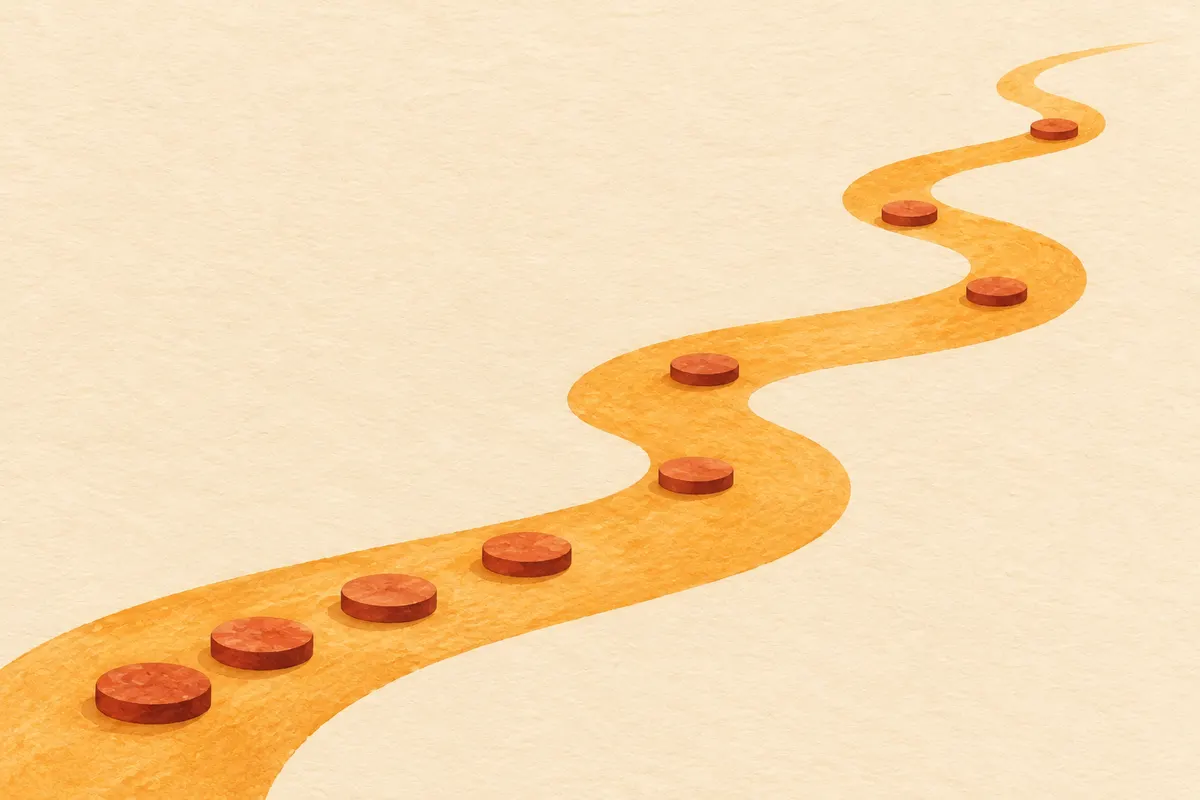
Plan on a course, not a single session. Hair-loss PRP usually starts with three sessions about a month apart, followed by maintenance every three to six months. Facial PRP studies use different numbers of sessions and intervals, and no standard course has been set.[1][2]
Written by the Seoul PRP editorial team and medically reviewed by a Korean Board-Certified Dermatologist (AAD International Fellow · ASLMS member). Last reviewed: .
Why is PRP given as a course?
Each session delivers one dose of platelet signals, but skin and hair follicles respond over weeks and months. Repeating the treatment gives that response more chances to build, and the hair trials were designed this way, with three sessions about a month apart.[1][3]
A single session can still be noticed. In a randomised face trial, people rated their PRP-treated cheek as smoother six months after one treatment, but dermatologists scoring photos found no difference from saline.[4] That trial did not test whether more sessions would bring a measurable improvement.
How many PRP sessions for hair loss?
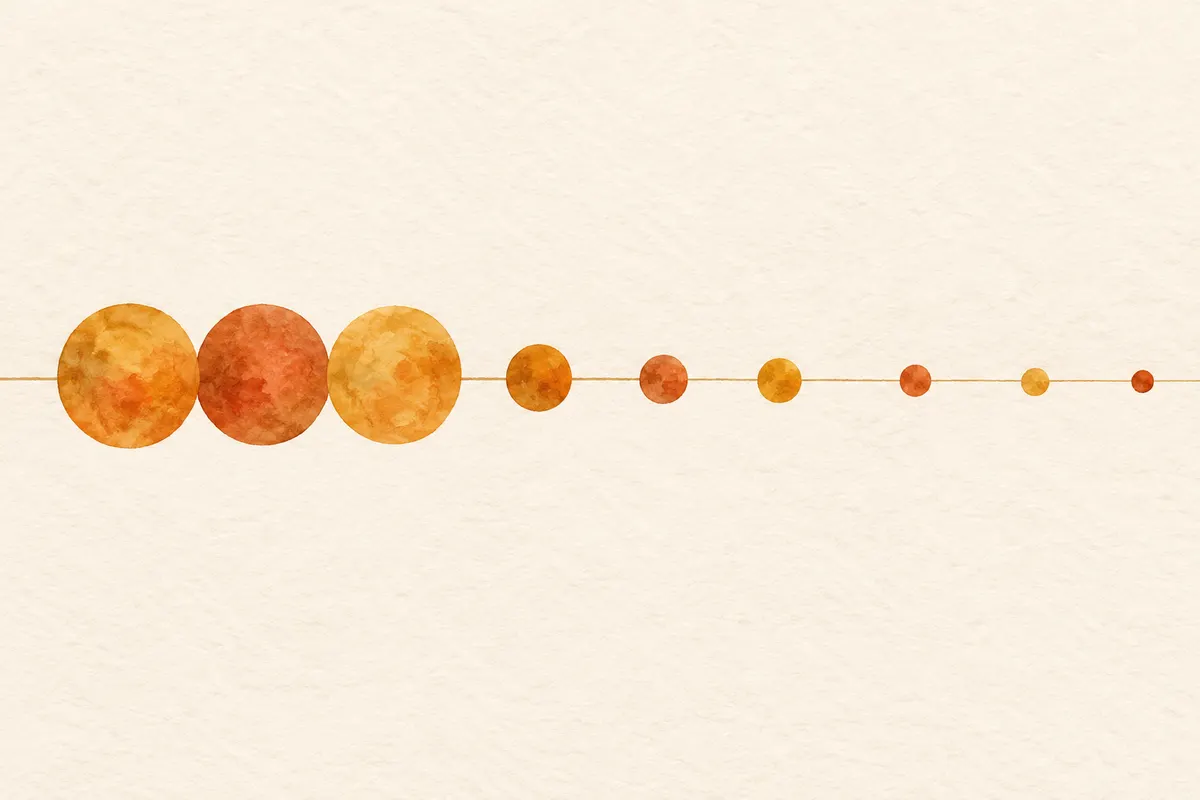
The American Academy of Dermatology says most patients return once a month for three months, then once every three to six months (AAD hair loss treatment page, checked 18 October 2026). In a 2015 randomised trial, three treatments 30 days apart added a mean of 45.9 hairs per square centimetre compared with baseline. Twelve months after the last session, four patients noticed their hair loss progressing again, more clearly at 16 months, and were treated again.[1] That is the reason for maintenance: pattern hair loss keeps going, and PRP does not stop it for good.
Judge the starting course about three months after the last session, which is when the 2020 split-scalp trial took its final measurements.[3] Compare standardised photos or close-up scalp images with your baseline, rather than relying on the mirror.
To discuss a course for your hair-loss pattern, see the clinic’s hair-loss treatment consultation in Seoul.
How many PRP sessions for skin and under-eye?
Facial PRP studies use different numbers of sessions and intervals, and no standard course has been established: a review of platelet concentrates for facial rejuvenation lists the optimal number of sessions and the interval between them as open questions for future trials.[2] The 20 PRP and PRF studies in a 2025 review gave mixed results across skin features.[5] The clinic’s PRP service page describes a plan of three to four sessions about four weeks apart, with reassessment before maintenance (checked 18 October 2026).
Under the eyes, agree a review with the doctor after the first sessions. Some studies checked how long under-eye changes lasted at around six months: in a 2025 systematic review, PRF gains often faded by then, while PRP results for pigment held.[6] For acne scars, PRP is usually added to a series of microneedling sessions, and the doctor sets the number by scar type and response.[7]
How far apart should PRP sessions be?
| Use | Starting course | Spacing | First review | Maintenance |
|---|---|---|---|---|
| Pattern hair loss | 3 sessions | About 4 weeks | About 3 months after the last session | Every 3–6 months |
| Facial skin texture and tone | No standard; linked clinic plans 3–4 | About 4 weeks | After the course | Decided at review |
| Under-eye skin | Set individually | About 4 weeks | Set with the doctor | Decided at review |
| Acne scars with microneedling | Set by scar type | Set by the doctor | After the course | Decided at review |
Do skin results need maintenance?
Probably, but the evidence on how long skin results last is thin. In the face trial, participants still rated the PRP side as smoother six months after a single treatment.[4] Under the eyes, PRP results for pigment held at about six months, while PRF gains often faded by then.[6] A sensible approach is to check again at around six months with your photos and decide on a top-up from what you see, rather than booking maintenance in advance. Daily sunscreen protects whatever the course achieves.
How does the number of sessions change the cost?
Because PRP is a course, ask for a quote covering the planned sessions. The linked clinic lists a 5 cc skin session at ₩420,000–₩580,000 (published price range checked 18 October 2026); confirm at consultation. For hair, add maintenance sessions every three to six months. The cost guide lists what a written quote should include.
Can I fit a PRP course into trips to Seoul?
Monthly spacing is the hard part for visitors. Three workable approaches:
- Repeat visits. Plan trips about four weeks apart for the starting course, then return for maintenance.
- Start in Seoul, continue at home. Ask for a written record of the kit, the PRP volume, the areas treated and your baseline photos, so a dermatologist at home can continue the plan.
- One visit only. Be realistic about a single session, or ask whether a product-based option fits your goal better; see PRP vs skin boosters.
If you read Korean clinic pages, PRP injections are called “PRP 주사” (PRP jusa), and “PRP 주사 횟수” means the number of PRP sessions.
What should I track between PRP sessions?
- Photos in the same light, at the same angle and without makeup, before each session.
- For hair: the same parting line and, if the clinic offers it, close-up scalp images.
- How long redness or bruising lasted after each session.
- Any medicines or supplements you started or stopped.
- Painkillers taken around each session; the medicines guide explains why.
Is one PRP session enough?
One session is not the usual studied course for pattern hair loss; many protocols start with three monthly sessions.[1] For skin, one session may bring a subtle change you notice, but measured improvement is less likely.[4]
What if I miss the four-week window?
Tell the clinic and reschedule. Spacing in trials is approximate, about a month, and the doctor will adjust the plan to your travel.[3]
When should I stop PRP?
If there is no visible or measured change at the review after a full starting course, talk to the doctor about other options rather than adding more sessions.