Microneedling with PRP: what happens in a session and what the 2026 trial reviews found
In microneedling with PRP, a small blood sample spins in a centrifuge while the numbed skin is needled, and the platelet-rich layer is then spread over the needled skin. For acne scars, a 2026 network meta-analysis of 56 randomised trials placed microneedling with PRP among the three combinations ranked most favourably for significant improvement.[1][2]
Seoul PRP editors write these chapters. Editorially updated: .
Watch a microneedling with PRP session
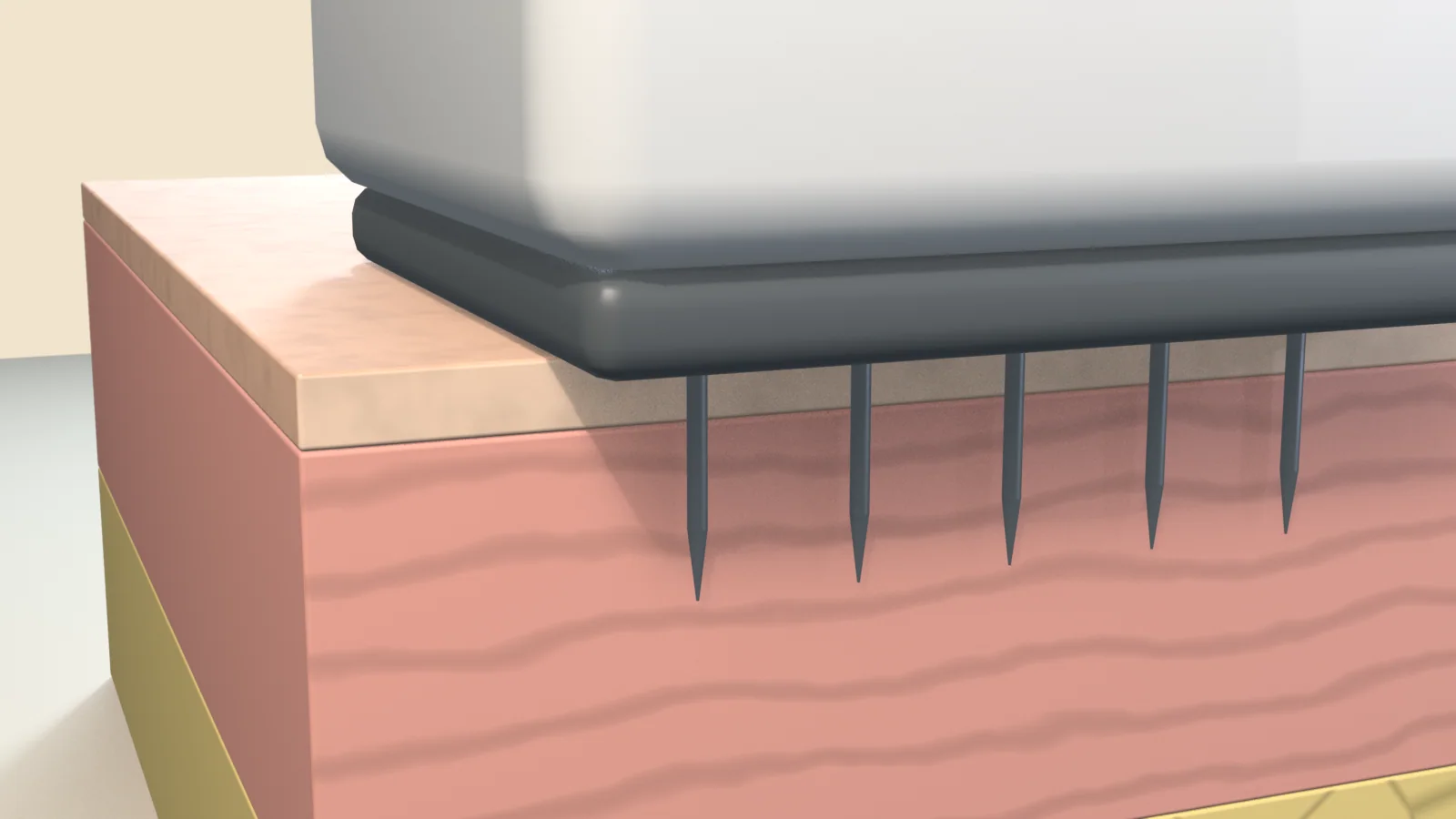
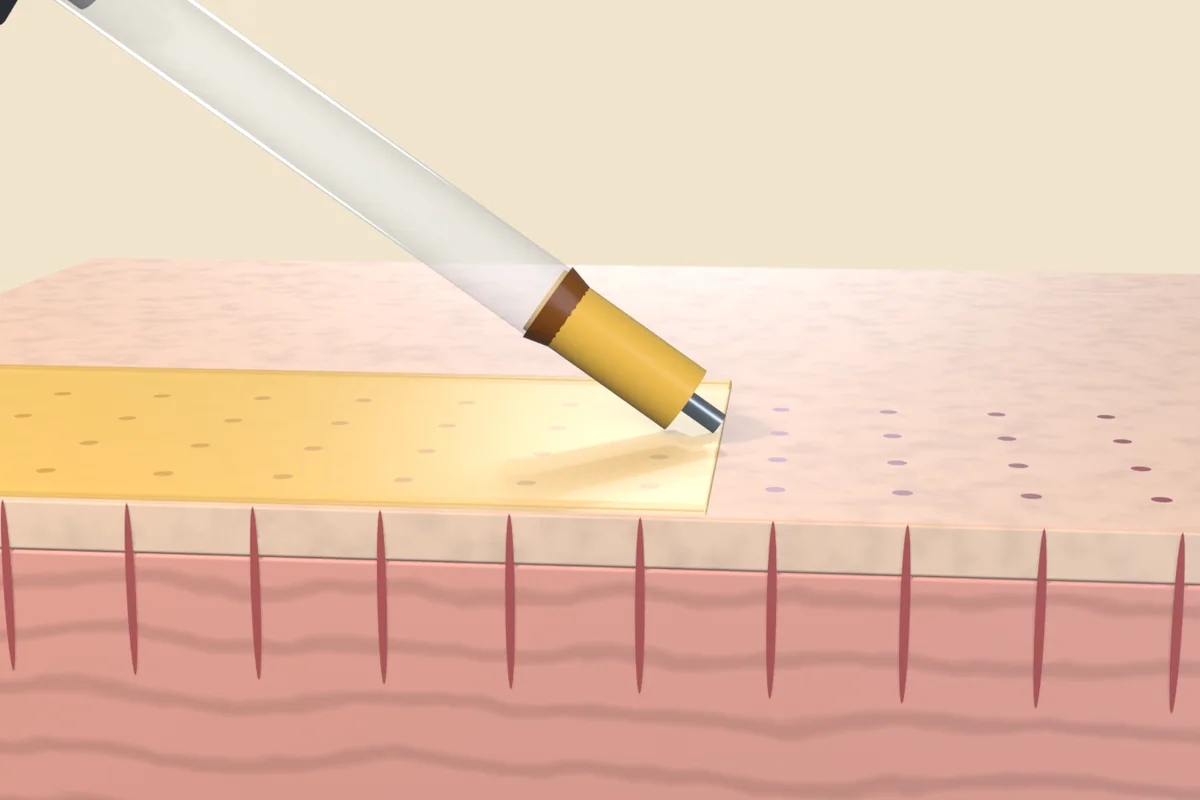
A blood tube fills and spins in a centrifuge until it separates into layers, a microneedling pen makes fine punctures in a skin section, the needles lift away, and the platelet-rich plasma is drawn up and spread over the needled surface.
Transcript
- Microneedling with PRP starts with a small sample of your own blood.
- A centrifuge spins the tube until the blood separates into layers.
- While it spins, a microneedling pen makes fine punctures in the skin.
- The needles lift away from the surface.
- The platelet-rich plasma is drawn up and spread over the needled skin.
- Ask your clinician about pain, side effects and contraindications.
In this chapter
What happens in a session
The American Academy of Dermatology describes the order. A small amount of blood is drawn and the tube goes into a centrifuge, which separates it into layers. While it spins, the dermatologist makes tiny holes in the skin with a microneedling device, then applies the platelet-rich layer to the needled skin. Microneedling can fade scars, uneven skin tone, and more (accessed 24 October 2026)
Four steps in one visit
Step 1 of 4: Blood draw
Blood is drawn from the arm into a tube; a 2025 eye-area protocol took about 30 mL.[2]
Step 2 of 4: Spin
The tube spins in a centrifuge until the blood separates into layers. The 2025 eye-area protocol spun it twice: 900 g for 5 minutes, then 1,000 g for 10 minutes.[2]
Step 3 of 4: Numb and needle
Needling alone takes a few minutes above the upper lip and 15–30 minutes for stretch marks on both hips.
Numbing cream goes on about 30 minutes beforehand. While the blood spins, a pen or roller with fine needles makes tiny punctures; the 2025 eye-area protocol used a pen with 36 needles set to 1.5 mm, in two passes.[2] AAD on how long needling takes (accessed 24 October 2026)
Step 4 of 4: Apply
The platelet-rich layer is spread over the needled skin. In the 2025 eye-area protocol it was applied during and after needling, small amounts were also injected, and patients left it on for at least 30 minutes before washing.[2]
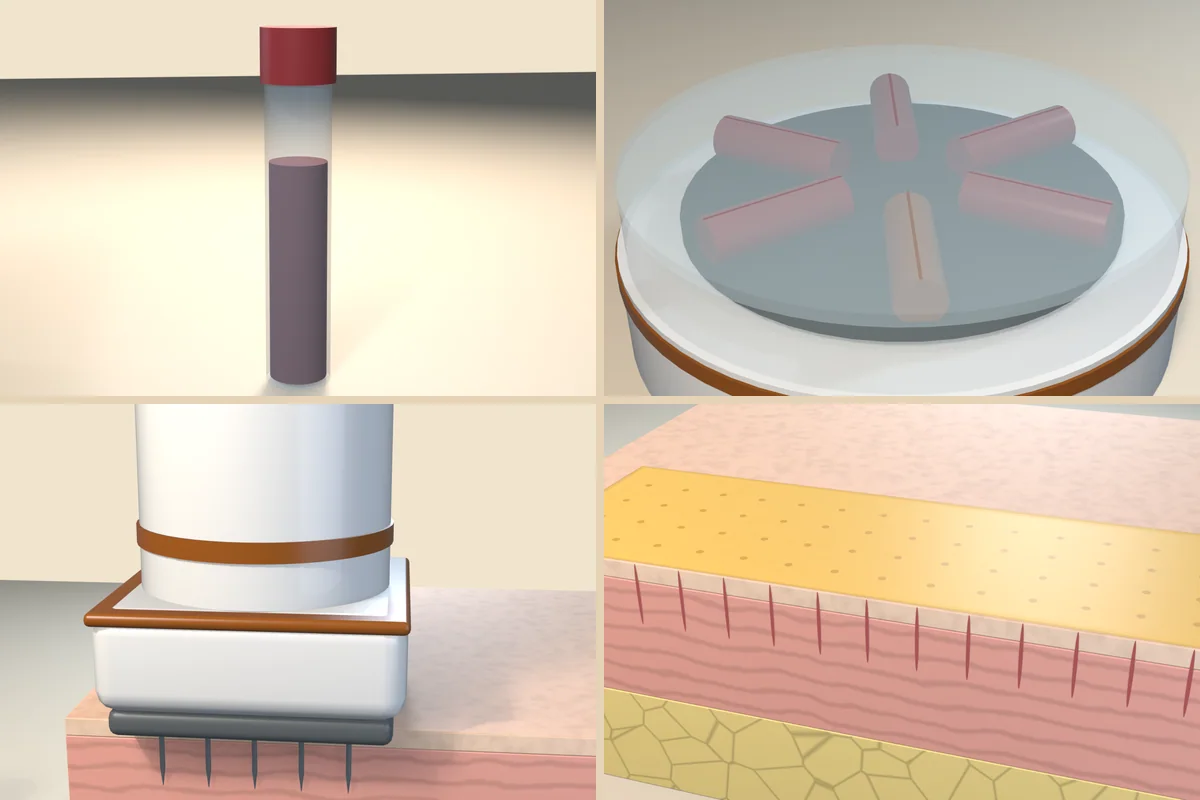
The academy's PRP page puts the whole procedure at about 45 minutes to one hour. Is platelet-rich plasma the secret to younger-looking skin? (accessed 24 October 2026) Arrival, consent and leaving are covered in the session chapter.
How many sessions, and how far apart
For acne scars, the American Academy of Dermatology describes 3 to 5 treatments, every 2 to 4 weeks. AAD on the number of treatments (accessed 24 October 2026) In the 14 controlled acne-scar studies pooled in a 2021 meta-analysis, plans ran two to six sessions.[3] Their pooled results, and whether injections or microneedling suit other goals, are in PRP for skin.
| Source | Skin treated | Sessions |
|---|---|---|
| AAD patient guidance | Acne scars | 3 to 5, every 2 to 4 weeks |
| Split-face trial of 30 adults, 2022 | Acne scars | Every 3 weeks, up to 4 |
| Split-abdomen trial of 30 people, 2025 | Stretch marks | Monthly, 3 in total |
| Periorbital study of 13 adults, 2025 | Skin around the eyes | 1 |
Some people need a series of treatments, and a yearly maintenance session may be suggested afterwards. AAD on results and maintenance (accessed 24 October 2026) Spacing, judging results and maintenance are set out in how many PRP sessions you need.
PRP or PRF in the plan?
Ask whether the plan uses PRP or PRF (platelet-rich fibrin); the preparation chapter explains the difference. In a 2025 split-abdomen trial of 30 people with stretch marks, both microneedling with PRF and microneedling with PRP improved the marks. The PRF side did better, but the two sides did not differ significantly on the four measures compared.[5]
What the 2026 reviews found
A network meta-analysis published online in July 2026 compared 34 treatments for moderate-to-severe atrophic acne scars across 56 randomised trials with 1,488 patients; most participants were in split-face or self-controlled studies. For the rate of significant improvement, microneedling with PRP was one of three combinations with the most favourable rankings, alongside CO2 laser with topical insulin and CO2 laser with PRP. It was also among the treatments with relatively lower pain rankings.[1]
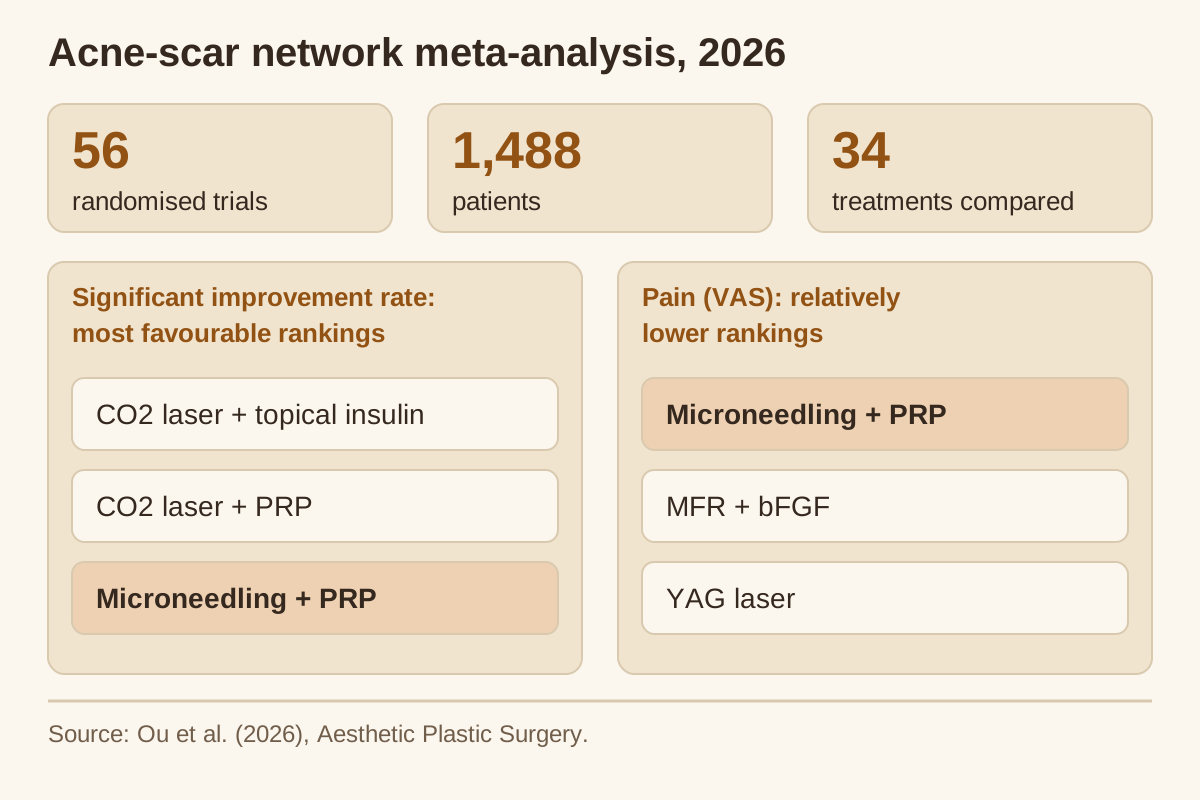
The authors found fractional CO2 laser with subcision or PRP the most consistent, and they suggest weighing the type of scar, skin type, downtime, pain, side-effect risk and preference when choosing.[1]
A second 2026 meta-analysis compared microneedling with topical insulin against microneedling with PRP in five studies with 256 patients. Insulin had the higher rate of significant improvement (risk ratio 1.96), scar severity scores did not differ significantly, and the authors rated the overall certainty of the evidence as low.[6]
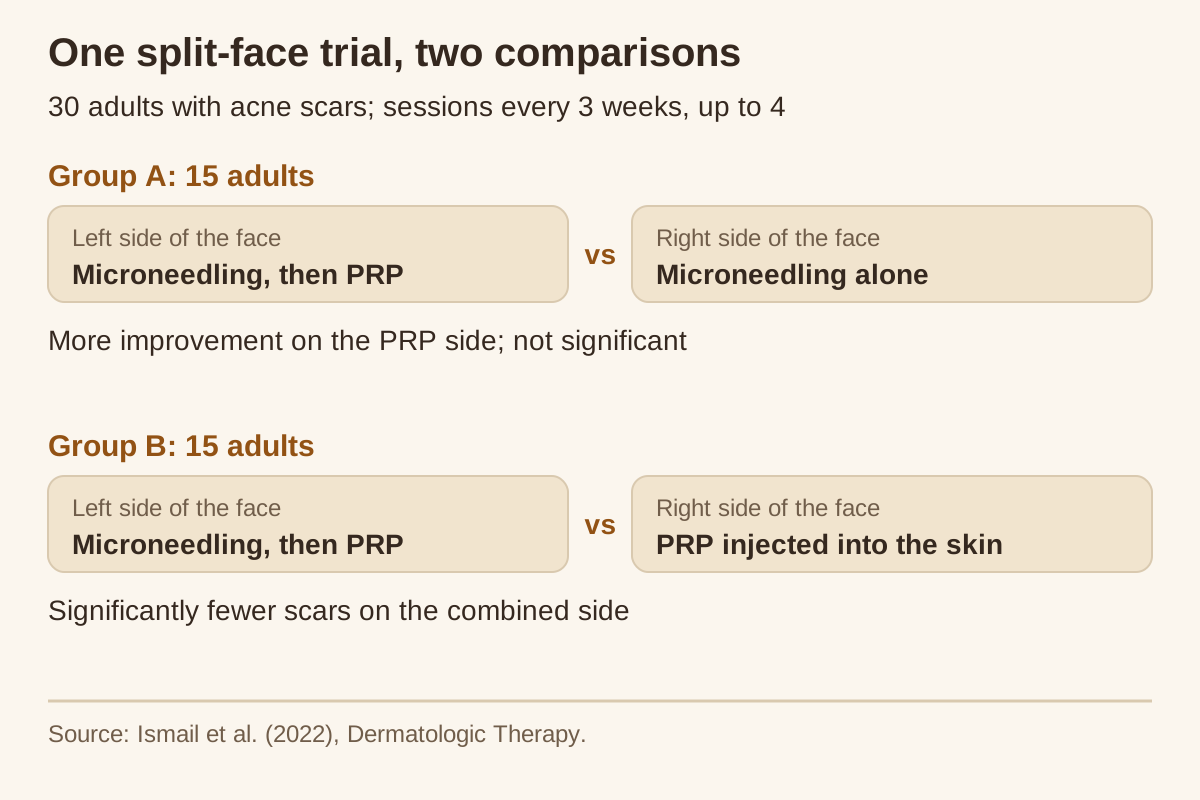
In a 2022 split-face trial of 30 adults with acne scars, one side of each face had microneedling followed by PRP every 3 weeks, for up to four sessions. Against microneedling alone on the other side, the PRP side improved more, but not significantly. Against PRP injected into the skin, it had significantly fewer scars on photographs and the ECCA scale.[4]
Around the eyes
Evidence for the skin around the eyes is thinner. In a 2025 study, 13 adults had one session of microneedling with PRP around the eyes. Most reported at least mild improvement in skin texture, but three blinded dermatologists found no significant change on standardised photographs taken before, at one week and at three months.[2]
How it feels and the days after
In that study, which used numbing cream, 45.5% of participants felt no pain during treatment and 45.5% mild pain, and 90.9% reported no downtime.[2] The academy describes redness, or darker shades on darker skin, and a sunburn-like feeling with minor discomfort, burning or swelling that usually disappears in a few days to a week. Makeup waits 24 hours. AAD on downtime after microneedling (accessed 24 October 2026)
Who should not have microneedling
The American Academy of Dermatology lists these reasons not to have microneedling: AAD on who should avoid microneedling (accessed 24 October 2026)
- Slow or poor healing
- A keloid, now or in the past
- A weakened immune system from a medical condition or a medicine
- Treatment for skin cancer in the area to be needled
- Ongoing radiation treatment
Treatment also waits for a tan or recent sun, a skin infection, or painful, deep or pus-filled spots, and for anyone who has taken or is taking isotretinoin. Bruising, rare risks and the checks to make before booking are in PRP side effects.
Is microneedling with PRP the same as a PRP injection?
No. With microneedling, PRP is spread over skin that has just been punctured; an injection places it in the skin through a fine needle. Some protocols use both in one session.[2]
How many sessions of microneedling with PRP are usual?
For acne scars, the American Academy of Dermatology describes 3 to 5 treatments, every 2 to 4 weeks. AAD on the number of microneedling sessions
Does microneedling with PRP hurt?
In a 2025 study that used numbing cream, 45.5% of participants felt no pain during treatment and 45.5% felt mild pain.[2]